Your cart
Loading cart...
Your cart
Loading cart...
Events & Workshops
Learn & Explore
This CPD training is aimed at qualified coaches who want to develop their understanding of imposter syndrome and build their confidence in supporting clients who experience self-doubt, question their capabilities or struggle to recognise and own their achievements.

Workshop Fee
£347 (inc VAT)

Participants
Max 30 Per Group

Start Date & Time
24th November at 6:00pm

Last Registration
20th November at 6:00pm

Delivery
Live Virtual Workshop
This workshop is delivered over 3 sessions.

This workshop is recognised by the Association for Coaching CPD Scheme as holding 6 Continuous Professional Development hours.
This workshop is delivered over 3 sessions at the times and dates below.
24th November
6:00pm
2 hours
25th November
6:00pm
2 hours
26th November
6:00pm
2 hours
This CPD training is aimed at qualified coaches who want to develop their understanding of imposter syndrome and build their confidence in supporting clients who experience self-doubt, question their capabilities or struggle to recognise and own their achievements.
Across three interactive sessions, you will explore what imposter syndrome is, how it can show up for different clients and some of the patterns and triggers that may sit beneath it. You will also develop practical coaching approaches that can help clients build greater awareness, challenge unhelpful thinking and develop a more balanced relationship with their abilities and achievements.
The workshop will also create space to consider the coach's role, including the ethical boundaries of working with imposter syndrome and recognising when a client's needs may sit beyond the scope of coaching.
Workshop summary
Imposter syndrome can show up in the coaching room in many different ways. A client may minimise their achievements, attribute their success to luck, worry about being "found out", compare themselves constantly with others or feel they need to work harder simply to prove that they deserve to be where they are.
But what are we actually noticing when this happens? And, as coaches, how can we explore it without making assumptions or rushing to "fix" the client?
During this six-hour CPD workshop, we will explore the concept of imposter syndrome and some of the common patterns, behaviours and triggers associated with it. We will consider how a client's experiences, environment and context may influence how imposter feelings show up and what this might mean for our coaching practice.
We will then move from understanding into application, exploring coaching questions, tools and approaches that can help clients recognise their patterns, develop greater self-awareness and begin to see themselves and their achievements differently.
Importantly, we will also consider the boundaries of our role. Not everything that presents as imposter syndrome necessarily belongs within coaching, and we will explore ethical considerations, scope of practice and when another form of professional support may be more appropriate.
These interactive sessions will combine teaching, reflection, discussion and practical coaching activities. You will have opportunities to explore scenarios, learn alongside other qualified coaches and consider how you can apply the learning directly within your own coaching practice.
You will leave the Imposter Syndrome CPD workshop with:
About your trainer
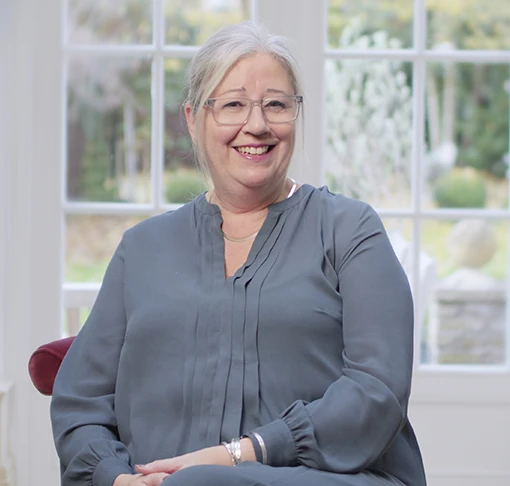
Sarah Bramall is an ICF Professional Certified Coach (PCC), EMCC Senior Practitioner, qualified Coach Supervisor, Trainer and Mentor.
Sarah specialises in executive and leadership coaching, career coaching and confidence coaching, and has extensive experience supporting coaches in their continued professional development.
Alongside her coaching practice, Sarah is a Lead Associate Trainer for The Coaching Academy and co-founder of The Coaching Catalysts, where she supports the development of professional coaches through training, mentoring and coach supervision.
Sarah brings a practical, reflective and highly interactive approach to her training, creating space for coaches not only to develop their knowledge, but to consider what that learning means for the way they show up in the coaching room.