Your cart
Loading cart...
Your cart
Loading cart...
Events & Workshops
Learn & Explore
Occupational therapists already help patients overcome physical, emotional and cognitive barriers to daily activities. Adding life coaching to your practice gives you a structured way to support patients with the goal setting, resilience and habit-building that make those gains last. The Coaching Academy has trained over 14,000 coaches and is the UK's leading life coaching training academy. Our Life Coaching Diploma is accredited by the AC and ICF, delivered entirely through live online classes, and designed to fit around a working clinical practice.
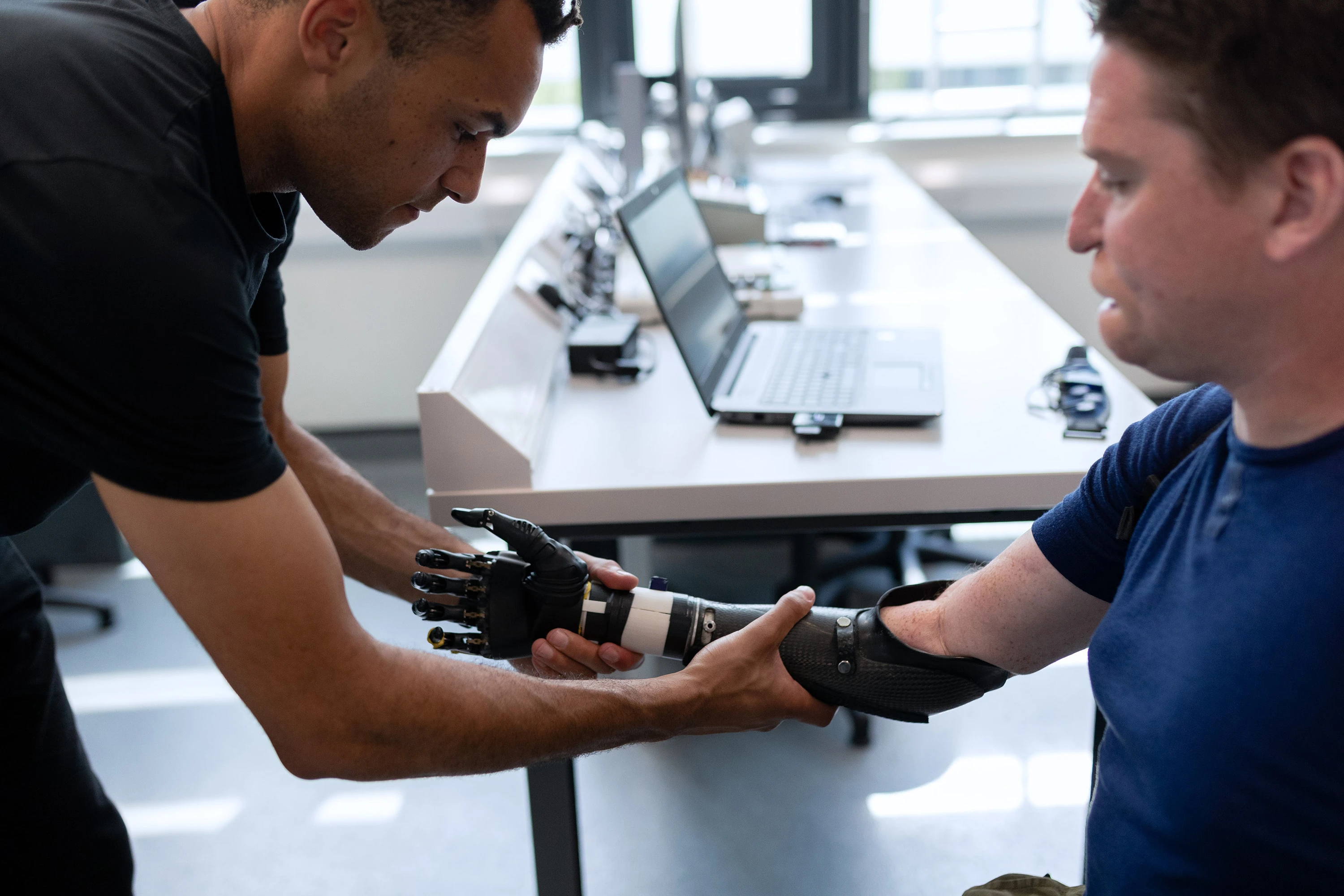
Life coaching works best alongside occupational therapy for clients who are stable and progressing: those who are ready to look beyond their functional goals and focus on what a fuller, more independent life actually looks like for them. For these clients, coaching gives a dedicated space to work on the goals, habits and motivation that occupational therapy points towards but rarely has the time or clinical scope to address directly.
Improving functional performance is where occupational therapy and coaching connect most naturally. Coaching helps clients identify and prioritise their functional goals in a way that is genuinely theirs rather than clinically prescribed, which tends to produce stronger motivation and better follow-through. Developing coping skills sits alongside this: coaching gives clients practical strategies for managing the emotional and psychological dimensions of living with a functional limitation, which supports rather than duplicates the occupational therapy work.
Self-esteem and confidence are often the hidden barrier between a client achieving functional independence and actually living the life they want. Coaching works directly on this, helping clients develop a more positive and realistic sense of what they are capable of. For clients whose functional limitations affect their personal and professional goals, coaching gives them a structured way to identify what they want and build the steps and lifestyle choices that get them there.
Hear our student stories from occupational therapists and other healthcare professionals about their experiences.

"As an occupational therapist, I've seen first-hand the difference that life coaching can make in my clients' lives. It helps patients develop a more positive and proactive approach to health, increase patient engagement and participation in their own functional improvement, which can lead to more successful and sustainable outcomes."
Patrick, Glasgow
Industry-standard accreditations:



Clients who receive both occupational therapy and coaching tend to make more consistent progress. Coaching addresses the motivation, habit building and behaviour change that occupational therapy points towards but rarely has the clinical time to focus on, which means gains are more likely to stick.
Clients who feel invested in their own progress tend to engage more actively in their occupational therapy programme. Coaching shifts the dynamic from passive recipient to active participant, which leads to better follow-through between sessions and more sustainable outcomes.
Occupational therapy addresses functional limitation and rehabilitation. Coaching works with the client's broader goals, motivation and sense of what their life could look like. The two sit naturally alongside each other, covering different parts of the same journey towards independence and wellbeing.
Clients who feel supported in making meaningful progress towards the life they want, not just in recovering function, tend to feel more satisfied with their care. Coaching gives occupational therapists a way to offer that support without stepping outside their clinical role.
Occupational therapy helps clients achieve specific functional goals. Coaching helps them work out what to do with that independence once they have it: what they want their daily life to look like, what matters to them, and how to build towards it.
Clients managing a long-term condition or disability often face significant life transitions alongside their functional challenges. Coaching gives them a structured space to navigate career changes, relationship shifts and major decisions without those conversations falling to the clinical appointment.
Occupational therapists have sometimes been called the original life coaches, and it is easy to see why. Your practice is already built around helping people identify what they want to be able to do, removing the barriers getting in their way, and building the habits and routines that make sustainable change possible. What a coaching qualification adds is a non-clinical, goal-focused framework you can use with clients who are ready to work on their broader life goals, not just their functional ones.
Occupational therapy and coaching work on different parts of the same client journey. Occupational therapy addresses functional limitation and rehabilitation. Coaching works with clients who are stable enough to look beyond the functional goal and focus on what a fuller, more independent life looks like. For clients who are managing their condition but feel stuck on what comes next, coaching gives you a different way in.
Coaching is increasingly used alongside occupational therapy practice. Where occupational therapy contact is limited, coaching can extend the work long after the intervention has ended, helping clients make lasting changes to how they live their daily lives.
We run a range of free webinars, from our introduction to life coaching to sessions exploring specialist coaching niches. Pick a date and time below to book your place.
We run a range of free webinars, from our 'How to become a successful Life Coach' session to sessions exploring specialist coaching niches. There's no obligation and no sales pressure - just honest answers to your questions.