Your cart
Loading cart...
Your cart
Loading cart...
Events & Workshops
Learn & Explore
The Coaching Academy Blog - 04 Jun 2026
Mindfulness coaching is a growing specialism that helps clients develop present-moment awareness and use it to make real, lasting changes in how they think, feel, and live. This guide covers what the role involves, the skills that underpin it, and the steps to build a confident practice.
A mindfulness coach helps clients develop present-moment awareness and use it as a practical tool for managing stress, improving focus, and making positive changes in their lives. It draws on established mindfulness practices, including breath awareness, body scanning, and non-judgmental observation of thoughts, and integrates them into a structured coaching relationship.
Mindfulness coaching is distinct from mindfulness teaching, which typically involves leading group classes or structured programmes such as MBSR (Mindfulness-Based Stress Reduction) or MBCT (Mindfulness-Based Cognitive Therapy). A mindfulness coach works one-to-one with clients, using coaching methodology alongside mindfulness practices to help them build self-awareness, set goals, and take practical steps forward.
Mindfulness coaches often work with clients on:

In practice, a mindfulness coach combines the structure of a coaching relationship with mindfulness-based tools and practices. Sessions are typically one-to-one, delivered online or in person, and are built around the client's goals and challenges.
A mindfulness coach will often:
Most mindfulness coaching relationships run over a series of sessions, giving clients enough time to build a genuine practice and see real results. Some mindfulness coaches also work in corporate settings, delivering mindfulness programmes to teams and organisations as part of broader wellbeing or stress management initiatives.
Mindfulness coaching tends to suit people who have a genuine personal connection to the practice. Most coaches working in this area have developed their own mindfulness practice over time, and that lived experience shapes how they work with clients in a way that is hard to replicate from study alone.
You may find mindfulness coaching a good fit if you:
Many coaches who move into this specialism come from healthcare, education, counselling, or personal development backgrounds. Others arrive through their own significant experience with mindfulness, whether through managing stress, burnout, or a period of major change. Whatever your starting point, the practical coaching skills are developed through training, practice, and time with real clients.
This is one of the most useful distinctions to understand before choosing a direction.
A mindfulness teacher typically leads group classes, workshops, or structured programmes such as MBSR or MBCT. The work is largely instructional, guiding groups through mindfulness practices in a class or course format. Mindfulness teachers often train through specialist teacher training programmes and may register with professional bodies such as BAMBA (British Association of Mindfulness-Based Approaches) or the Mindfulness Teachers Association (MTA), which is currently the UK's largest professional register of accredited mindfulness teachers.
A mindfulness coach works one-to-one using coaching methodology, with mindfulness as a central tool. The focus is on the individual client's goals, patterns, and progress, with mindfulness practices woven into a broader coaching relationship. Mindfulness coaches typically build their foundation through accredited coaching training and develop their mindfulness specialism alongside or after that.
The two roles can sit alongside each other, and some practitioners do both. But they are distinct paths with different training routes. This article focuses on the coaching route.
Mindfulness coaching draws on a mix of coaching skills, interpersonal awareness, and a grounded personal mindfulness practice.
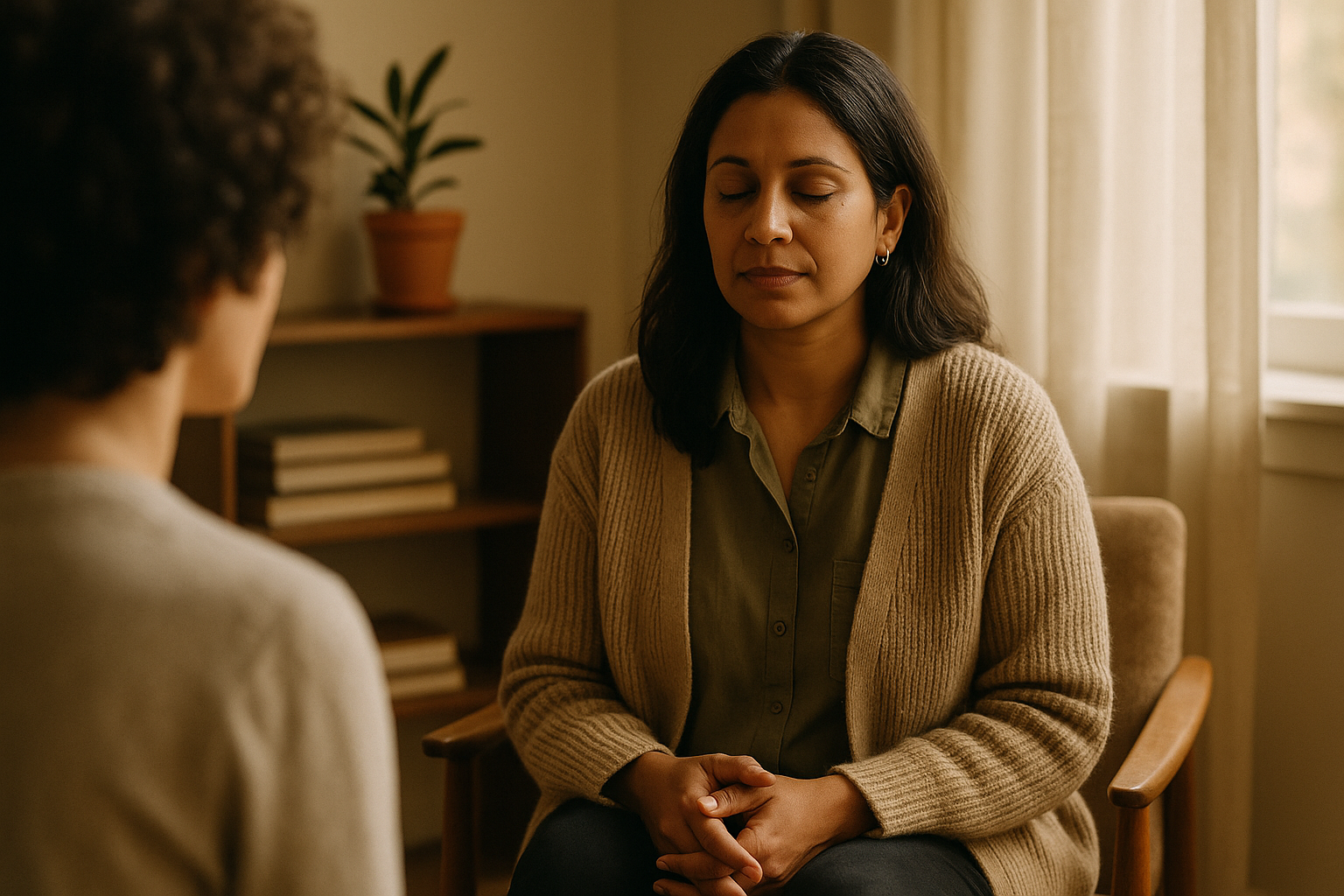
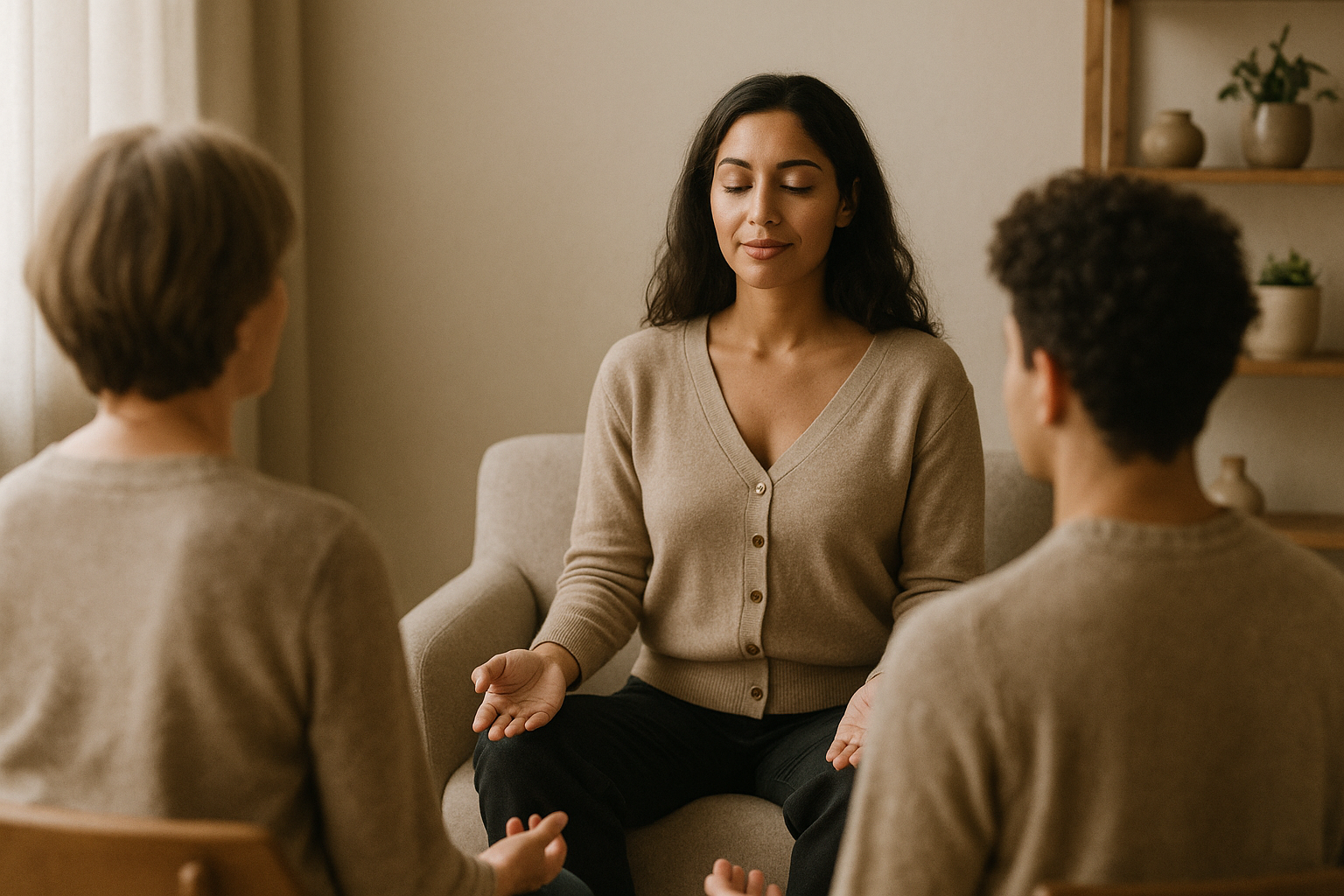
Mindfulness coaching does not have a single regulated training pathway. Most coaches who build a credible practice combine an accredited coaching qualification with specific mindfulness coaching training and a well-developed personal practice.
Common routes include:
Good quality mindfulness coaching training will typically cover:
Most coaches continue developing through workshops, peer learning, and their own ongoing mindfulness practice long after their initial qualification.
Many aspiring mindfulness coaches choose to train with an accredited provider to build confidence, credibility, and professional capability. The Coaching Academy offers mindfulness coaching training and coach training programmes accredited and recognised by leading professional bodies, supporting coaches as they work towards professional certification.
Their Life Coaching Diploma is accredited as an ICF Level 1 programme, providing recognised coach training aligned with International Coaching Federation standards. This training can form part of a coach's pathway towards ICF certification, such as the Associate Certified Coach (ACC) credential, once additional experience and requirements are met.
The Coaching Academy is also accredited by the Association for Coaching (AC) and the CPD Standards Office, with a range of programmes and workshops that are CPD-certified. For more on why accreditation matters, TCA's resource on life coaching accreditation is worth reading.
Before coaching others in mindfulness, it helps to have a genuine personal practice. Most experienced mindfulness coaches recommend establishing a consistent routine, whether that is daily meditation, breath awareness, or another mindfulness-based practice, before moving into coach training. This gives you a grounded, authentic foundation to work from with clients.
Mindfulness coaching can serve a wide range of clients. Getting specific early on helps you focus your training and position your practice more clearly. You might work with:
If you are not already a qualified coach, completing an accredited coaching qualification is the most practical first step. The Life Coaching Diploma covers the core coaching skills, goal-setting frameworks, and values and beliefs work that provide a strong base for mindfulness coaching practice.
Look for a mindfulness coach course that covers how to integrate mindfulness practices into a one-to-one coaching context, not just how to practise mindfulness yourself. Programmes aligned to ICF or AC standards are worth prioritising.
Confidence comes from working with real clients. Many coaches build early experience through:
Keep your services clear and easy to understand. Options might include:
Before launching, get the basics in place:
Most mindfulness coaches build their practice over time. Common routes to growth include:
Mindfulness coaching is a flexible profession with a range of working contexts. Many coaches work with private clients online, building a practice around one-to-one sessions. The work tends to be calm and reflective in pace, which suits coaches who prefer depth in their client relationships.
There is also a growing corporate market for mindfulness coaches. Organisations are increasingly aware of the impact of stress, distraction, and burnout on performance, and mindfulness programmes have become a common response. Coaches who can work with both individuals and organisations tend to have more varied income streams and a broader range of opportunities.
Building a sustainable practice takes time. A consistent personal practice, clear positioning, and a genuine ability to get results for clients are the foundations most successful mindfulness coaches build on.
Income varies depending on experience, how you position your services, and whether you work privately, corporately, or both. For a broader picture of what coaches typically earn, our guide on how much a life coach earns covers the key factors in more detail.
There is no single regulated certification for mindfulness coaching. Most coaches find that a combination of accredited coaching training and mindfulness-specific development gives them the skills, credibility, and professional grounding to work effectively with clients.
Most experienced coaches and training providers recommend maintaining a consistent personal practice before training with others. It does not need to be years of practice, but a genuine, ongoing relationship with mindfulness helps you coach it more authentically.
A mindfulness teacher typically leads group classes or structured programmes such as MBSR or MBCT. A mindfulness coach works one-to-one, using coaching methodology alongside mindfulness practices to support individual clients with specific goals. The training routes and work contexts differ.
Most coaches complete their initial coaching qualification within 6 to 18 months and develop their mindfulness specialism alongside or after that through additional training and their own ongoing practice.
Yes. Awareness of the benefits of mindfulness has grown significantly in recent years, supported by research around stress reduction, emotional regulation, and focus. Demand for mindfulness coaches, particularly in corporate and workplace settings, continues to grow.
Mindfulness coaching is a profession that grows through learning, practice, and a genuine connection to the subject. If you would like a clear starting point, explore our coach training options and find the right fit for your goals.
Not sure where to start?
Answer a few quick questions and we'll put together a personalised recommendation — the diplomas that suit you best, why we think you'd make a great coach, and a clear timeline of the journey from here to qualification.
It takes about two minutes. Your results are saved and emailed to you so you can come back to them any time.